What is E-Commerce and How Does It Work?
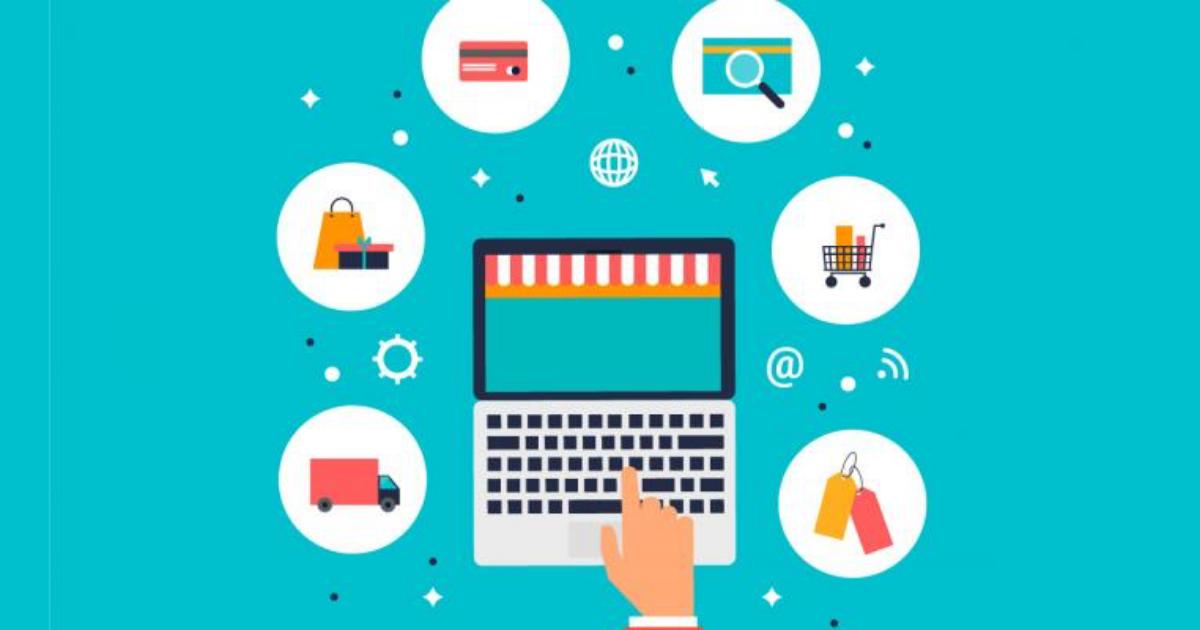
E-commerce has revolutionized the way businesses sell products and services online. From small startups to global enterprises, understanding what is e-commerce and how it works is essential for anyone looking to succeed in digital business.
Table of Contents
1. How Do I Start an E-Commerce Business? 2. How Much Does it Cost to Start an E-Commerce Business? 3. How Does E-Commerce Help Small Businesses Reach a Wider Audience? 4. How Do E-Commerce Platforms Differ in Terms of Features and Pricing? 5. Why is E-Commerce Important for Small Businesses? 6. What Are the Different Types of E-Commerce Models? 7. What Are the Key Components of an E-Commerce Website? 8. What Factors Should I Consider When Choosing an E-Commerce Platform? 9. Who Should I Target When Starting My E-Commerce Business? 10. Who Are the Biggest Players in the E-Commerce Market Right Now? 11. Who Are the Emerging E-Commerce Companies to Watch? 12. FAQ1. How Do I Start an E-Commerce Business?
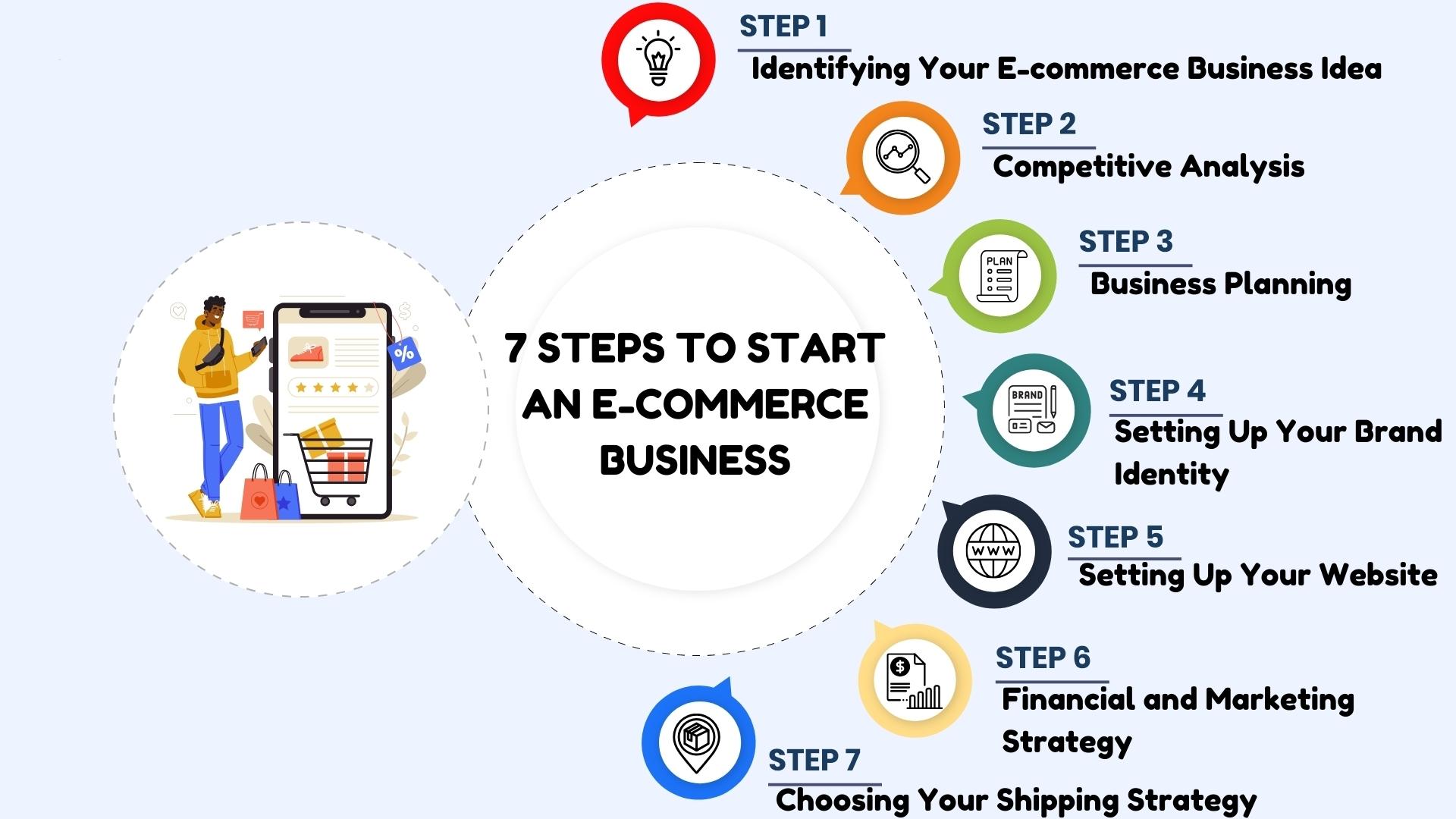
Starting an e-commerce business begins with careful planning. Follow these steps:
- Choose a niche: Identify products that have demand and a clear target audience.
- Select a business model: Decide between dropshipping, wholesale, subscription, or your own inventory.
- Pick an e-commerce platform: Popular choices include Shopify, WooCommerce, BigCommerce, and Magento.
- Build your website: Design an intuitive, mobile-friendly website with fast loading times.
- Set up payment gateways: Integrate secure payment options like PayPal, Stripe, or Razorpay.
- Plan logistics: Choose reliable shipping partners and inventory management systems.
- Market your store: Use SEO, social media marketing, email campaigns, and paid ads to reach customers.
2. How Much Does it Cost to Start an E-Commerce Business?
The cost of starting an e-commerce business depends on factors such as platform choice, product type, marketing strategy, and scale. Here is a rough breakdown:
- Domain and hosting: $10–$50/year
- Website development: $500–$5,000
- E-commerce platform fees: $29–$299/month
- Inventory costs: Varies by product
- Marketing and ads: $100–$1,000/month initially
3. How Does E-Commerce Help Small Businesses Reach a Wider Audience?
E-commerce allows small businesses to expand beyond local markets, giving them access to national and global customers. Benefits include:
- 24/7 accessibility
- Lower operational costs compared to physical stores
- Targeted digital marketing using SEO and social media
- Analytics and customer insights to optimize sales
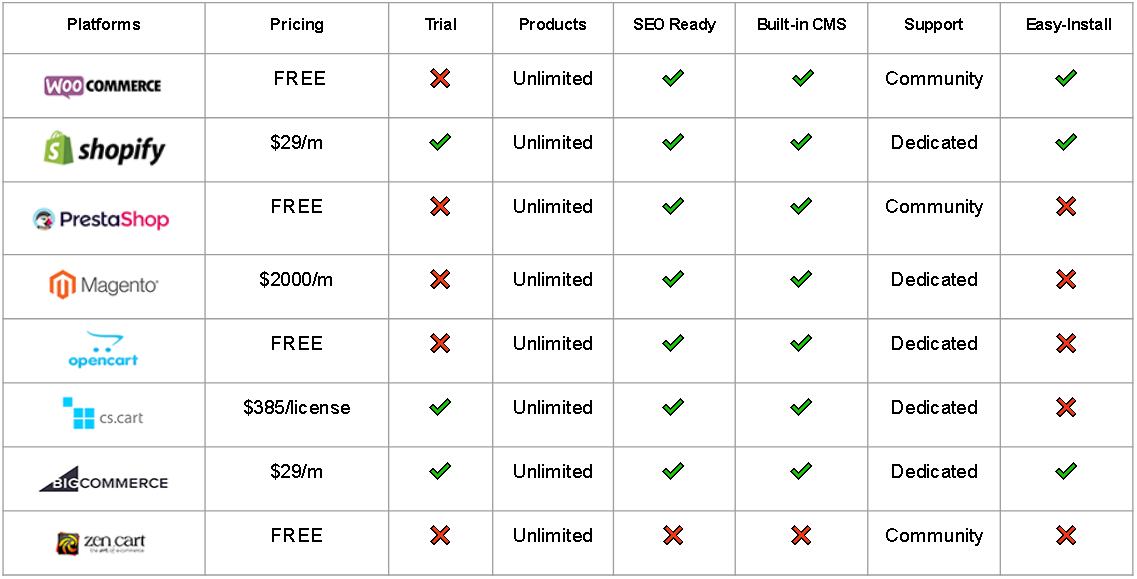
4. How Do E-Commerce Platforms Differ in Terms of Features and Pricing?
E-commerce platforms vary by features, scalability, and cost. Here are some common options:
- Shopify: Easy to use, many plugins, $29–$299/month
- WooCommerce: Free WordPress plugin, but requires hosting and customization
- BigCommerce: Built-in features for growing businesses, $39–$299/month
- Magento: Highly customizable, suited for large enterprises
5. Why is E-Commerce Important for Small Businesses?
E-commerce is crucial because it levels the playing field for small businesses, allowing them to compete with larger brands. Key reasons include:
- Access to a global market
- Lower marketing costs via digital channels
- Data-driven decision-making
- Enhanced customer engagement through personalized experiences
6. What Are the Different Types of E-Commerce Models?
Understanding e-commerce models helps choose the right strategy:
- B2C (Business-to-Consumer): Selling products directly to consumers
- B2B (Business-to-Business): Selling products to other businesses
- C2C (Consumer-to-Consumer): Marketplaces like eBay or OLX
- C2B (Consumer-to-Business): Freelance services or product reviews
- D2C (Direct-to-Consumer): Brands selling directly via their website
7. What Are the Key Components of an E-Commerce Website?
A successful e-commerce website includes:
- User-friendly navigation
- High-quality product images and descriptions
- Secure payment gateway
- Shopping cart and checkout system
- Customer reviews and ratings
- Mobile responsiveness
- SEO optimized content
8. What Factors Should I Consider When Choosing an E-Commerce Platform?
- Ease of use and customization
- Integration with payment gateways
- SEO and marketing tools
- Scalability for growth
- Pricing and transaction fees
9. Who Should I Target When Starting My E-Commerce Business?
Identify your target audience using demographics, interests, and purchasing behavior. Create buyer personas and tailor your marketing and product offerings accordingly.
10. Who Are the Biggest Players in the E-Commerce Market Right Now?
- Amazon
- Alibaba
- eBay
- Walmart
- Shopify-powered stores
11. Who Are the Emerging E-Commerce Companies to Watch?
Some fast-growing e-commerce companies include:
- Shein – Affordable fashion globally
- Jumia – Africa-focused marketplace
- Ozon – Russia’s leading online retailer
- Glovo – Quick delivery services across multiple countries
 Start Your E-Commerce Journey Today
12. FAQ
What is e-commerce?
E-commerce is the buying and selling of goods and services online, allowing businesses to reach a global audience efficiently.
How does e-commerce work?
E-commerce works through websites or apps where customers can browse, select products, pay online, and receive deliveries through integrated logistics systems.
How much does it cost to start an e-commerce business?
Costs vary, typically including website setup, platform fees, inventory, and marketing, ranging from a few hundred to several thousand dollars.
What are the different types of e-commerce models?
The main models include B2C, B2B, C2C, C2B, and D2C, each serving different types of buyers and sellers.
Why is e-commerce important for small businesses?
It enables small businesses to access global markets, reduce costs, and engage customers through digital marketing and analytics.