E-commerce Product Optimization with AI SEO Tools

Importance of Product Optimization in E-commerce
What is product listing optimization?
In the digital marketplace , product listing optimization entails refining product titles, descriptions, images, and metadata to improve search engine rankings and enhance user experience. It ensures customers can find products easily and converts visitors into buyers effectively.
How optimization drives online store rankings
Search engines rank products higher when listings are relevant, well-structured, and informative. Optimized product listings increase organic visibility on platforms like Google Shopping and marketplace search results.
Conversion rate improvement fundamentals
Clear and persuasive product information combined with enhanced imagery reduces purchase friction leading to higher conversions and increased sales volume.
 Boost Your E-commerce SEO Now
Understanding Product Listing Optimization Techniques
Semantic SEO strategies for e-commerce
Topical and latent semantic indexing (LSI) keywords
Using LSI keywords ensures your product content answers a broad range of related search queries, helping search engines understand your listings contextually rather than just matching exact keywords.
Natural language processing in product pages
Search algorithms increasingly use NLP to parse meaning and intent, favoring product pages that naturally cover related topics with appropriate terminology.
Enhancing product titles and descriptions
Product title enhancement best practices
Effective titles are concise, include key buyer intent keywords, brand names, and highlight primary features to improve click-through rates.
High-converting ecommerce product descriptions
Descriptions should be comprehensive yet clear, showcasing benefits, specifications, and unique selling points while incorporating relevant semantic keywords.

Improving user experience through optimized listings
Category page SEO
Well-organized categories with descriptive headers and keyword-rich content facilitate user navigation and search engine crawling.
Internal linking best practices
Strategic internal links boost page authority and guide users through related products and sections logically.
The Role of AI in Modern E-commerce SEO
AI-powered keyword research and content creation
Generative AI for automated product descriptions
AI tools now generate engaging and unique product descriptions at scale, saving time and maintaining SEO quality standards.
Using AI for buyer intent keywords
Advanced algorithms analyze search data to identify and prioritize keywords that drive high intent traffic and sales.
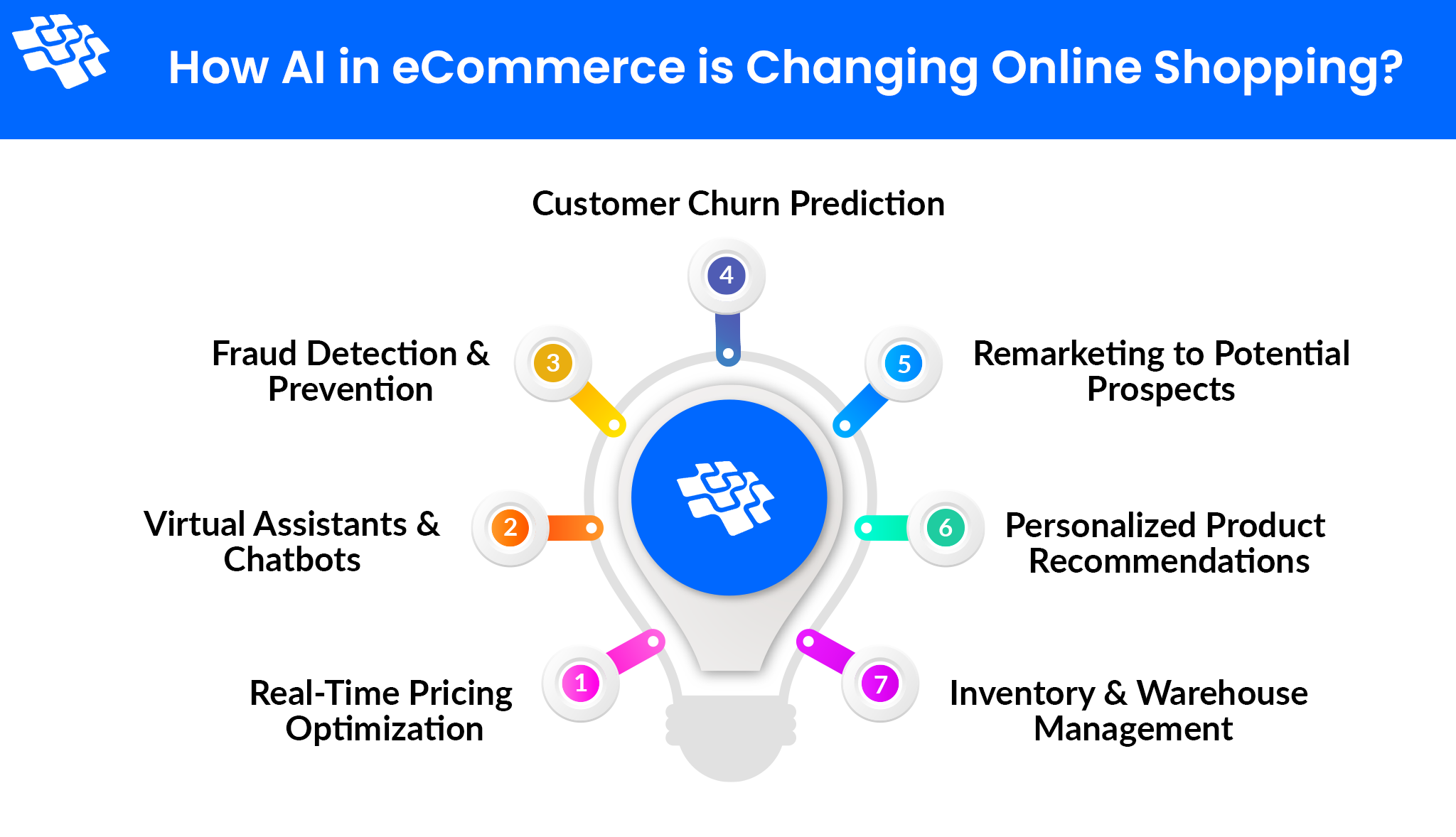
Algorithmic pricing and inventory management
Dynamic inventory AI solutions
AI monitors stock levels and market trends to proactively adjust inventory allocations and avoid stockouts or overstocking.
Algorithmic pricing tools for sales optimization
Intelligent pricing engines automatically update product prices considering competitor data, seasonality, and demand fluctuations to maximize profits.
Crafting High-Converting Product Descriptions & Titles
Incorporating buyer intent keywords
User-generated content and social proof
Including authentic reviews and testimonials boosts trust and incorporates natural keyword variations, improving SEO and conversions.
Leveraging automated content creation
Generative AI content tools
Automated writing tools assist with consistent and scalable content production tailored to SEO best practices and buyer needs.
Using schema markup for product pages
Rich snippets and enhanced product listings
Schema markups enable rich snippets such as ratings, price, availability, and images to appear in search results, improving CTR and user engagement.
Boosting Search Engine Visibility for Your Products
Visual search optimization strategies
Product image optimization AI
Optimized images with ALT tags and AI-enhanced visuals increase product discoverability in image and visual search platforms.
Preparing for voice search in e-commerce
Voice search optimization techniques
Optimizing product content for natural language queries and FAQs ensures discoverability through voice assistants and smart speakers.

Personalization and Recommendation Engines Powered by AI
Personalized product recommendations
Cross-selling and up-selling techniques
AI-driven recommendations based on browsing behavior boost average order value by suggesting complementary products effectively.
Customer segmentation using AI
E-commerce analytics dashboards
Segmentation tools help marketers deliver targeted campaigns and promotions, improving customer loyalty and repeat business.
Technical SEO for E-commerce Websites
Optimizing category pages and site structure
Branded vs. non-branded keyword strategies
Balancing branded searches with generic keywords maximizes reach while reinforcing brand presence.
Internal linking best practices
Well-planned internal links support crawlability and distribute authority throughout the site.
Mobile commerce SEO trends and considerations
Responsive design, fast loading times, and mobile-friendly layouts are essential as mobile shopping continues to grow.

Emerging Tools and Future Trends in Product Optimization
Competitive product analytics platforms
Real-time product tracking features
Advanced analytics provide insights on pricing, inventory, and competitor actions to inform strategy.
Marketplace optimization tools
Google Shopping listings and strategies
Optimizing listings for Google Shopping channels increases product visibility across multiple search touchpoints.
AI Tools That Supercharge Product Optimization
What product optimization means
Product optimization is the continuous process of improving a product’s discoverability, relevance, conversion rate, unit economics, and customer satisfaction. In eCommerce and SaaS this includes price, product page UX, listing images, descriptions, recommendations, inventory forecasting, and post-purchase experience.
AI Tools That Boost Product Optimization — Top Categories & Exact Tools That Deliver Faster Conversions
This section focuses on the practical AI categories and specific tool types that product teams and store owners should adopt first. Below you’ll find what each category does, why it moves the needle, and how to implement it quickly.
1. A/B testing & personalization engines
What they do: Run experiments and show different product variants or page elements to different visitors based on AI-driven segmentation.
Why it matters: Personalization increases relevance — tailored recommendations, banners, or CTAs often lift conversion rates 10–40% depending on traffic.
How to use quickly: Start with headline and CTA variations, then personalize product recommendations by browsing behavior.
2. Price optimization & dynamic pricing
What they do: Use demand, competitor data, and margin goals to suggest prices that maximize revenue or conversion.
Quick wins: Test small price bands during peak hours, set automated rules for low-stock premium pricing, or flash-sale triggers.
3. Demand forecasting & inventory optimization
AI predicts future product demand by analyzing seasonality, promotions, and trends. This prevents stockouts and reduces overstock costs — both directly affecting conversion and margins.
4. Visual & generative tools for product creative
Usage: Automatically generate high-quality variants of product images, background-removed photos, or localized creative for ad campaigns — useful for fast listing improvements and ad testing.
5. Customer analytics & churn prediction
AI models identify high-value customers and those at risk of churn. Use predictions to trigger targeted campaigns (win-back offers, onboarding nudges).
6. Search & discovery optimization (on-site search)
Improve conversion by using AI-powered search that understands synonyms, slang, and intent — a better search experience equals higher basket values.
7. Voice-of-customer & review mining
Automatically extract themes from reviews and support tickets to identify product issues and feature requests, then prioritize fixes that materially improve conversions.
Practical tool categories with examples (how to pick)
- A/B & Personalization: Look for platforms with easy experiment setup and real-time targeting.
- Price optimization: Choose tools that integrate with your catalog and support constraint rules (margin floors, geography).
- Image & creative: Pick tools that export optimized assets for web and ads automatically.
- Analytics & forecasting: Prefer solutions with both automated forecasts and manual override controls.
Implementation checklist — 7 quick steps
- Identify the weakest conversion funnel step (product page, add-to-cart, checkout).
- Run a heatmap and session analysis to validate the hypothesis.
- Choose 1 personalization or A/B test to run for 2 weeks (headline, image, price).
- Use an AI image generator or enhancer to produce 2 creative variants.
- Deploy a small dynamic pricing rule for top 50 SKUs to test elasticity.
- Measure lift and automate the winner for 30 days with guardrails.
- Document what changed and roll out to next SKU segment.
Measuring ROI (simple metrics to track)
- Conversion rate lift (%) for the variation vs control
- Average order value (AOV) change
- Revenue per visitor (RPV)
- Inventory days saved and stockout reduction
- Time to implement (human hours saved using AI)
How to start — 30/60/90 day plan
First 30 days
Audit product pages, set up analytics events, pick one A/B experiment and one image optimization task.
Next 30 days
Scale winning experiments, add price optimization rules for top SKUs, set up basic forecasts for upcoming seasonality.
Final 30 days
Automate personalization across product lists, close the loop with review-mining to prioritize product fixes, and present ROI to stakeholders.
Real example workflows
Workflow A — Product page lift
- Baseline analytics → identify drop-off.
- Create 2 hero image variants (AI-generated), 2 CTAs, and 1 price experiment.
- Run multi-variant test for 14 days and analyze RPV.
Workflow B — New product launch
- Use demand-forecast AI to set launch inventory.
- Use on-site search personalization to surface new product to intent-matched users.
- Run short paid ad creative tests using AI-produced variants.
Conclusion:
Organic traffic growth indicators
Key performance metrics like organic traffic, conversion rates, and bounce rates guide ongoing optimization.
KPI monitoring using AI dashboards
Real-time monitoring tools powered by AI enable rapid responses to market changes and user behavior.
Keeping up with evolving AI and SEO practices
Continuous learning and adoption of new technologies ensure e-commerce businesses remain competitive in 2025 and beyond.