What Is modern eCommerce? A Practical Guide for Zen Cart & Shopify Owners

What is Morden eCommerce and why is it important for modern businesses?
modern eCommerce — or electronic commerce — is the buying and selling of goods and services online. The important of e commerce cannot be overstated: it opens new markets, reduces overhead, and creates measurable, scalable customer pathways. Whether you are exploring e commerce and internet marketing for a local brand or building an enterprise-level storefront, a clear digital strategy turns website visits into repeat customers.
eCommerce incorporates design, conversion-focused copy, analytics, and logistics integrations. These are the building blocks that make ecommerce web development services so valuable: they combine technical setup with marketing and fulfillment.
What is Zen Cart and when should you use it?
Zen Cart is an open-source shopping cart that appeals to developers who want full control over templates, payment gateways, and hosting. If you need deep customisation, server-level performance tuning, or legacy integrations, Zen Cart can be a robust choice. Many agencies offering ecommerce web development services still recommend Zen Cart for stores that require bespoke checkout flows or specialized B2B pricing logic.
Who is a Shopify owner and what should they consider about the platform?

A Shopify owner typically values speed to market, hosted security, and a large app ecosystem. Shopify began as an easy-to-use hosted solution — many merchants choose it because it reduces the technical burden of maintenance, updates, and PCI compliance.
Small brands to large enterprises use Shopify for different reasons: a founder or ceo of shopify mention (in interviews) often focuses on merchant experience and platform reliability. As a Shopify owner, you should be familiar with operational features like Shopify Payments, app integrations, and the option to apply for a shopify partners account if you are an agency or developer.
How do I choose between a hosted platform and self-hosted stacks?
Choosing depends on priorities. If uptime, simplified maintenance, and fast setup matter, hosted platforms win — but you should know about events like shopify outages and read platform notes such as the shopify changelog or shopify ir updates that can affect integrations. For maximum flexibility and potentially lower long-term costs, a self-hosted stack like Zen Cart gives full control but requires more technical resources.

Quick checklist: budget, developer availability, custom features, expected traffic spikes, payment and shipping integrations, SEO control, and marketing workflows.
How can ecommerce web development services help scale my store effectively?
Agencies offering ecommerce web development services can audit conversion funnels, implement CDN and caching layers, migrate databases, and create mobile-first themes. They'll also help with structured data (rich snippets), image optimisation, and a/B testing to improve conversion rate. For Shopify owners, a certified partner or a shopify partners account developer can build custom apps, integrate ERP systems, or help with bulk product imports.

If logistics are part of your growth plan, make sure your development partner can integrate with providers like ecom shadowfax or ecommerce shadowfax (regional carriers or marketplaces) — that way orders, tracking, and returns are automated.
How should I use ecommerce content marketing and internet marketing to drive sales?
ecommerce content marketing and broader e commerce and internet marketing are long-term channels that increase organic traffic and build trust. Tactics that work:
- Create product-led blog posts (how-to, comparison, troubleshooting).
- Use transactional and informational intent keywords to cover the entire buyer journey.
- Leverage structured data and optimised image alt text for visual search and rich results.
- Repurpose blog content into email sequences and social posts for free platforms to drive traffic.

For Shopify owners, combine apps with content-driven landing pages. For Zen Cart stores, team up with an experienced ecommerce web development services provider to ensure SEO-friendly URL structures and page speed.
What platform issues should Shopify owners watch for?
Shopify is reliable, but owners should watch the shopify changelog and official updates — sometimes core behavior changes or deprecations affect apps. Also, keep an eye on the public discourse around shopify outages and incident reports to plan contingencies. If you run high-traffic promotions, coordinate with Shopify support and consider edge caching, robust queuing for checkout, and fallback email capture to retain customers during incidents.
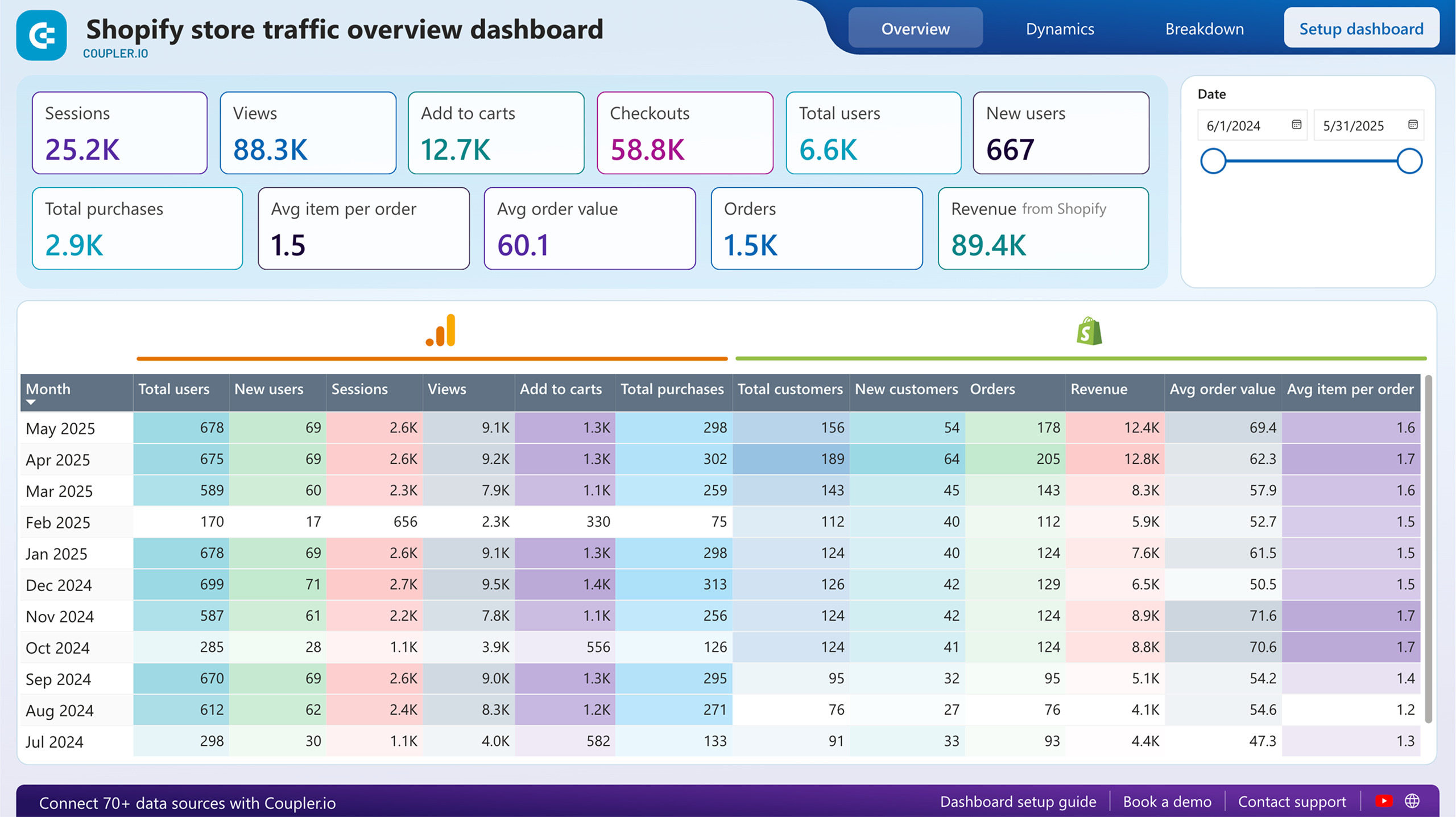
Knowing where shopify hq posts updates and how shopify ir releases information can help merchants react quickly to platform-level changes.
How do I connect logistics providers like Ecom Shadowfax to my store?
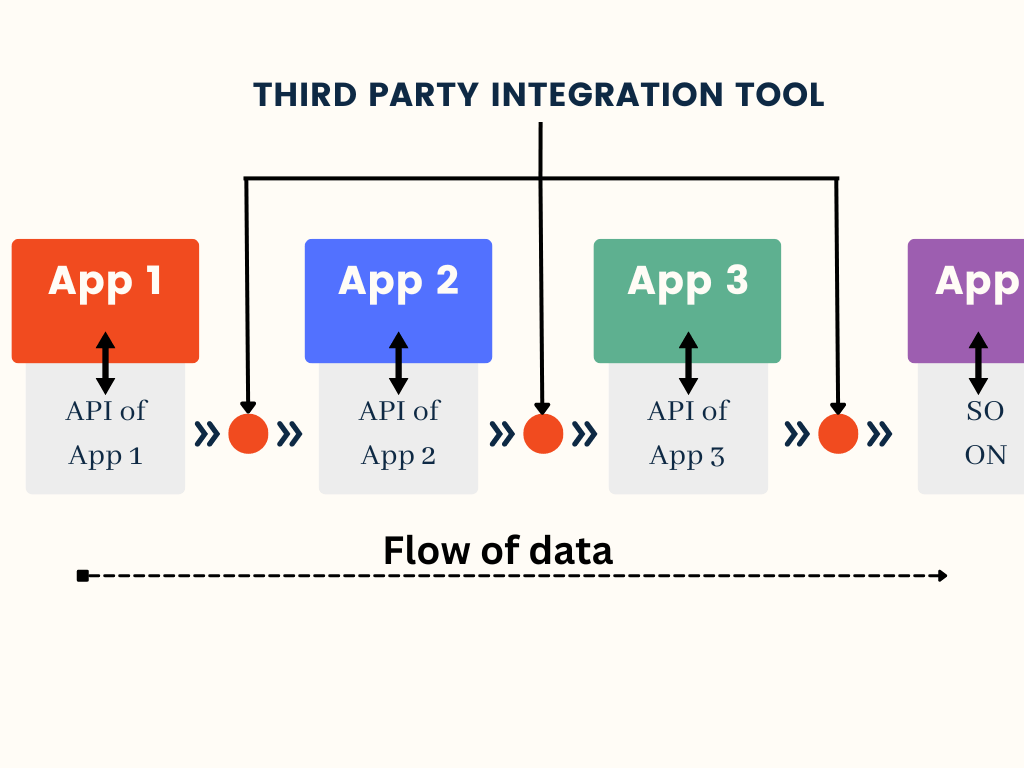
Integration steps often include creating API keys, mapping shipping methods, and synchronising order statuses for automatic tracking. Whether you are on Shopify or Zen Cart, look for official connectors or build a lightweight middleware that translates order data into the carrier's format. Brands using ecom shadowfax or ecommerce shadowfax should prioritise return flows, COD reconciliation, and shipment-level tracking to reduce customer service load.
FAQs
Can I migrate from Zen Cart to Shopify without losing SEO?
Yes — but it requires careful 301 redirects, URL mapping, and preserved metadata. A migration specialist from an ecommerce web development services team will audit 404s and ensure canonical tags are preserved.
What should a shopify owner do when Shopify has an outage?
During a shopify outages event: communicate proactively with customers via email and social, enable a static landing page that captures emails, and monitor the shopify changelog for status updates.
How important is content marketing for eCommerce?
Extremely important — ecommerce content marketing drives SEO, builds trust, and reduces reliance on paid channels. Content also improves retention when used in onboarding and post-purchase sequences.
Where should I go next for implementation?
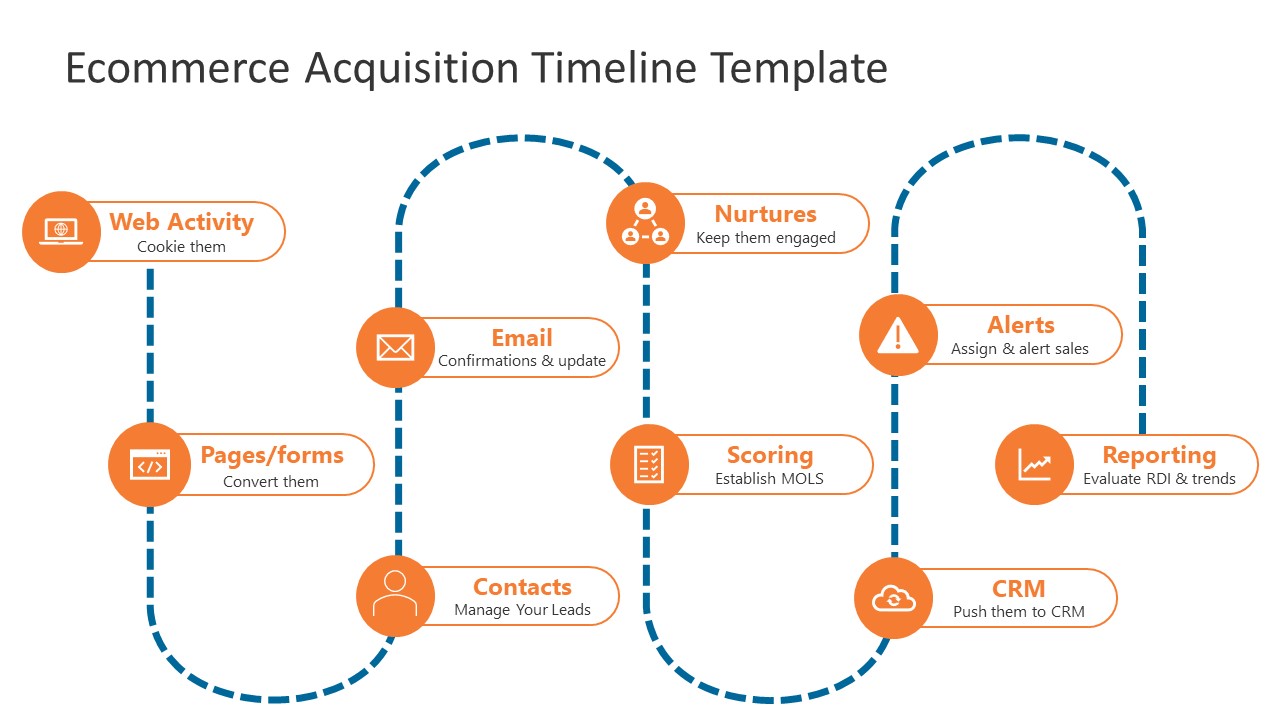
If you want to move quickly: list your top three priorities (migration, performance, marketing), then connect with a verified developer or agency. Apply for a shopify partners account if you're building apps or managing multiple stores. If you want total control and custom flows, evaluate a Zen Cart or headless stack and plan for ongoing ecommerce web development services.
Get a free audit from our eCommerce team