Marketing Fundamentals Guide: Management, Careers & Strategies
Master marketing essentials from management to digital careers. Learn key concepts, salary insights, and strategic approaches for business success in today's competitive landscape.
Table of Contents
- Understanding Marketing Fundamentals
- What is Marketing Management?
- Functions of Marketing Explained
- Difference Between Marketing and Selling
- Service Marketing: A Specialized Approach
- Rural Marketing: Reaching Untapped Markets
- Digital Marketing Career Opportunities
- Leading Marketing Companies in India
- Conclusion
Understanding marketing fundamentals is essential for anyone entering the business world or looking to grow their career in this dynamic field. Whether you're exploring what is marketing management, seeking digital marketing salary information, or trying to understand the core functions of marketing, this comprehensive guide covers everything you need to know.
Marketing has evolved significantly from traditional approaches to digital strategies, yet the foundational principles remain crucial. Many people confuse marketing with selling, but understanding the difference between marketing and selling is fundamental to business success. This guide explores the nature of marketing, its scope across various sectors including service marketing and rural marketing, and provides insights into career opportunities such as digital marketing internships.
Understanding Marketing Fundamentals

Marketing fundamentals form the backbone of all business activities focused on creating, communicating, and delivering value to customers. At its core, marketing is about understanding customer needs and developing products or services that satisfy those needs while achieving organizational goals.
What Are Marketing Fundamentals?
The nature of marketing encompasses several key elements:
- Customer-centric approach: Focusing on consumer needs and preferences
- Value creation: Developing offerings that solve real problems
- Exchange process: Facilitating mutually beneficial transactions
- Market research: Understanding market dynamics and consumer behavior
- Relationship building: Creating long-term customer loyalty
Key Insight:
Effective marketing begins with understanding customer needs before developing products, not the other way around. This fundamental shift in thinking distinguishes modern marketing from traditional selling approaches.
Core Marketing Concepts
Essential marketing concepts that every marketer should understand include:
- The Marketing Mix (4Ps): Product, Price, Place, Promotion
- Customer Value Proposition: Unique benefits offered to target markets
- Market Segmentation: Dividing markets into distinct consumer groups
- Brand Positioning: Creating a unique place in customers' minds
- Customer Relationship Management: Building lasting customer connections
What is Marketing Management?

Marketing management involves planning, organizing, implementing, and controlling marketing activities to achieve organizational objectives efficiently and effectively. It's a strategic discipline that combines analytical thinking with creative execution.
Key Components of Marketing Management
Strategic Planning: Marketing management begins with developing comprehensive strategies aligned with business goals. This includes market analysis, identifying target segments, and creating positioning strategies that differentiate your brand from competitors.
Tactical Execution: Implementing marketing campaigns across various channels requires coordinating resources, managing budgets, and ensuring consistent brand messaging. Marketing managers oversee promotional activities, advertising campaigns, and customer engagement initiatives.
Performance Monitoring: Successful marketing management requires continuous measurement and analysis. Key performance indicators (KPIs) help evaluate campaign effectiveness, return on investment (ROI), and customer acquisition costs.
Marketing Management Project Examples
A marketing management project typically involves:
These projects require strong analytical skills, creativity, strategic thinking, and understanding of various marketing tools and technologies.
Functions of Marketing Explained

The functions of marketing are diverse and interconnected, working together to create value for customers and achieve business success. Understanding these functions is crucial for developing comprehensive marketing strategies.
Primary Marketing Functions
| Function | Description | Key Activities |
|---|---|---|
| Market Research & Analysis | Gathering and analyzing data about customers, competitors, and market trends | Surveys, focus groups, industry reports, competitor analysis |
| Product Planning & Development | Creating products or services that meet customer needs while remaining profitable | Identifying opportunities, designing features, testing prototypes |
| Pricing Strategy | Determining optimal price points that reflect value, cover costs, and remain competitive | Cost analysis, competitor pricing, value-based pricing |
| Distribution & Channel Management | Ensuring products reach customers efficiently through appropriate channels | Selecting partners, logistics, inventory control, supply chain optimization |
| Promotion & Communication | Creating awareness and persuading customers through integrated marketing communications | Advertising, PR, sales promotion, digital marketing |
| Sales & Customer Service | Converting prospects into customers and maintaining relationships post-purchase | Sales techniques, customer support, relationship management |
The Scope of Marketing
The scope of marketing extends across various dimensions:
- Geographical Scope: Local, regional, national, and international markets
- Sectoral Scope: B2B, B2C, service marketing, rural marketing
- Functional Scope: Digital marketing, content marketing, social media marketing
- Strategic Scope: Brand management, customer experience, innovation
Difference Between Marketing and Selling
Marketing Approach
- Customer-focused: Starts with understanding customer needs
- Long-term orientation: Builds lasting relationships and brand loyalty
- Value creation: Develops products that solve customer problems
- Proactive strategy: Anticipates market needs and trends
- Holistic process: Encompasses research, development, pricing, distribution, and promotion
Selling Approach
- Product-focused: Emphasizes existing product features
- Short-term orientation: Concentrates on immediate transactions
- Volume-driven: Prioritizes sales numbers over relationships
- Reactive strategy: Responds to current inventory and quotas
- Limited scope: Primarily focuses on closing deals
Practical Implications
Marketing Strategy Example: A smartphone company conducts extensive market research to understand what features young professionals want. They develop a product with those specific features, price it competitively, create awareness through social media campaigns, and build a community around their brand.
Selling Strategy Example: A salesperson promotes existing inventory with aggressive discounts and persuasive techniques to meet monthly quotas, focusing on transaction completion rather than long-term customer relationships.
Modern Business Reality:
Successful organizations integrate both approaches. Marketing creates demand and builds brand equity, while effective selling converts that interest into revenue. The best results come from aligning selling activities with broader marketing strategies, ensuring consistent customer experiences throughout the buyer journey.
Service Marketing: A Specialized Approach
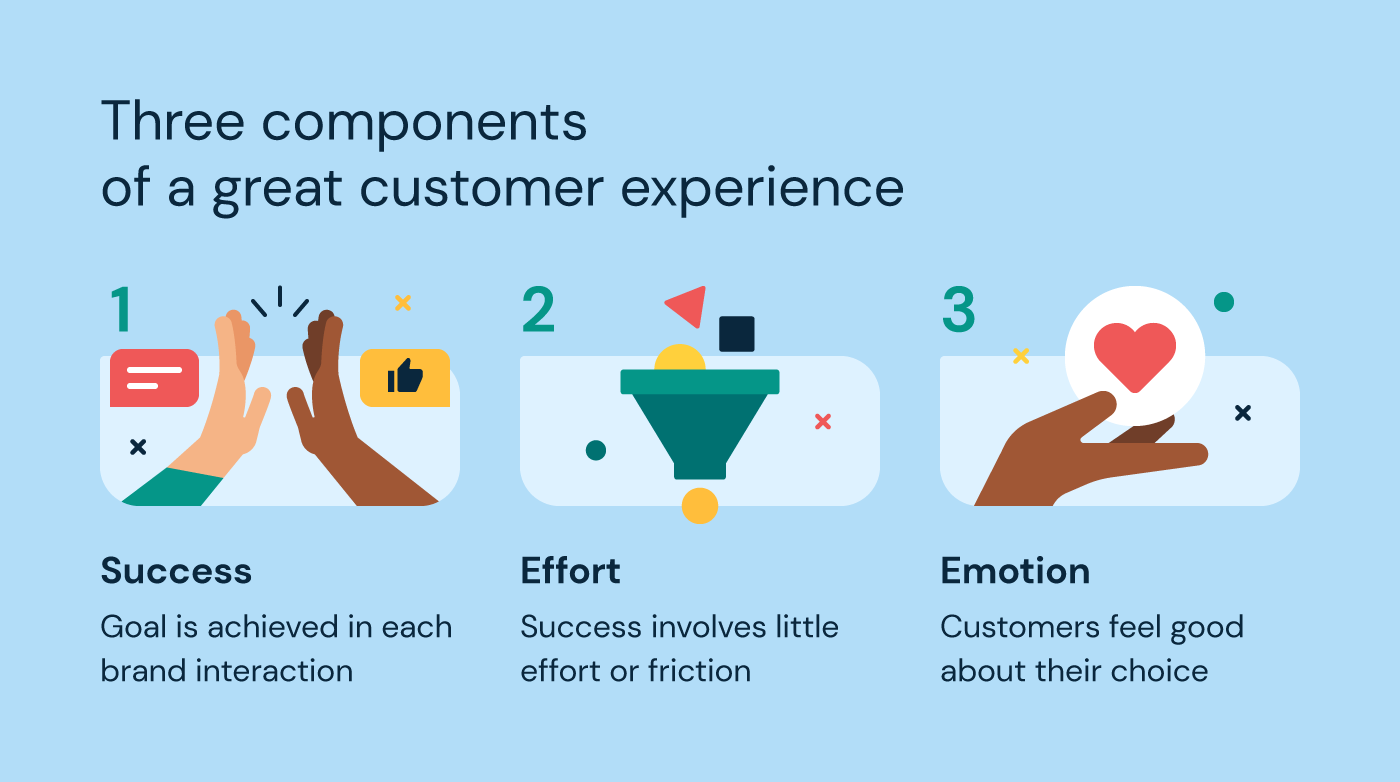
Service marketing requires unique strategies due to the intangible nature of services. Unlike physical products, services are consumed as they're produced, making the marketing approach distinctly different.
Characteristics of Service Marketing
- Intangibility: Services cannot be seen, touched, or stored before purchase. Marketing must create tangible cues through testimonials, case studies, professional certifications, and brand reputation to build trust and credibility.
- Inseparability: Services are typically produced and consumed simultaneously. The service provider becomes part of the product, making employee training and customer interaction crucial marketing elements.
- Variability: Service quality can vary based on who provides it, when, and where. Standardization processes, quality control measures, and consistent training ensure reliable service delivery.
- Perishability: Services cannot be stored for later use. Marketing strategies must manage demand through pricing adjustments, reservation systems, and capacity planning.
The Extended Marketing Mix for Services (7Ps)
Beyond the traditional 4Ps, service marketing adds:
- People: Employees who deliver services and interact with customers
- Process: Systems and procedures that affect service delivery
- Physical Evidence: Tangible elements that represent service quality
Rural Marketing: Reaching Untapped Markets

Rural marketing addresses the unique challenges and opportunities of reaching consumers in non-urban areas. This specialized field requires adapted strategies considering infrastructure limitations, cultural differences, and economic factors.
Characteristics of Rural Markets
Unique Challenges:
- Limited infrastructure and connectivity
- Lower literacy levels requiring visual communication
- Seasonal income patterns affecting purchasing power
- Strong cultural traditions influencing buying behavior
- Dispersed population requiring extensive distribution networks
Opportunities:
- Large untapped market potential
- Growing disposable incomes
- Increasing mobile and internet penetration
- Government initiatives improving rural connectivity
- Rising aspirations and brand consciousness
Rural Marketing Strategies
Distribution Approaches:
- Utilizing local dealers and village-level entrepreneurs
- Mobile vans and periodic markets (haats)
- Leveraging government distribution systems
- Partnering with agricultural cooperatives
Digital Marketing Career Opportunities
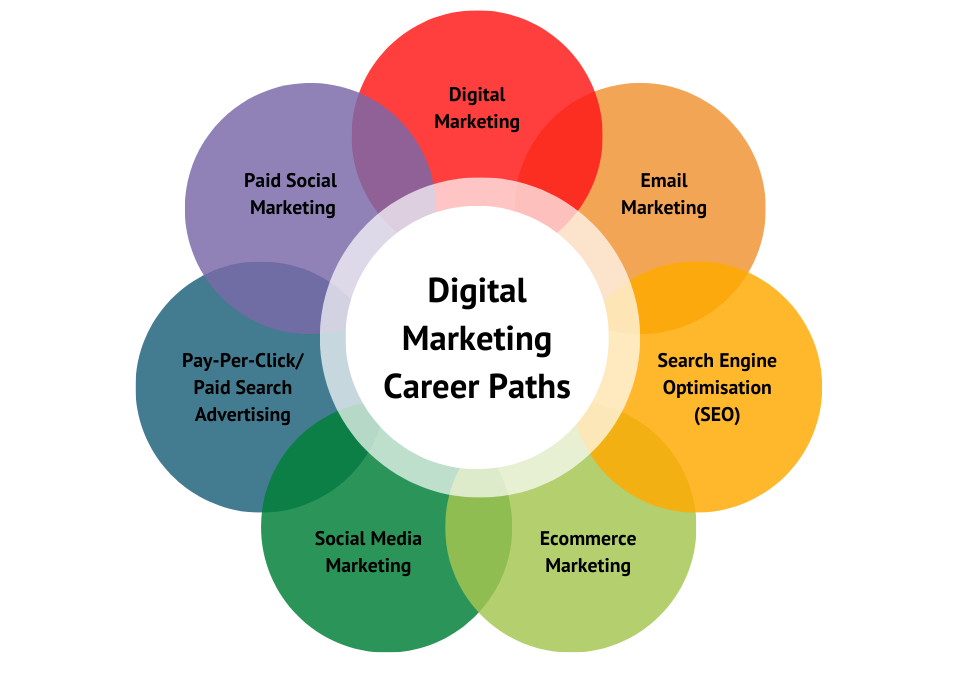
The digital marketing field offers exciting career opportunities with competitive compensation and continuous growth potential. Understanding digital marketing salary ranges and internship opportunities helps aspiring marketers plan their career paths.
Digital Marketing Salary Insights (2025)
| Position Level | Role Examples | Salary Range (per annum) |
|---|---|---|
| Entry-Level | Digital Marketing Executive, Social Media Coordinator, Content Writer, SEO Analyst | ₹2.5-5 lakhs |
| Mid-Level | Digital Marketing Manager, SEO Manager, Social Media Manager, Content Marketing Manager | ₹6-13 lakhs |
| Senior-Level | Digital Marketing Head, Growth Marketing Lead, Chief Marketing Officer | ₹15-60+ lakhs |
Factors Affecting Digital Marketing Salary:
Digital Marketing Internship Opportunities
Types of Internships:
- Paid Internships: ₹5,000-20,000 per month with hands-on experience
- Unpaid Internships: Learning-focused with certificate and portfolio building
- Project-Based Internships: Fixed-duration assignments with specific deliverables
Leading Marketing Companies in India

Types of Marketing Companies
Full-Service Marketing Agencies: Companies like Yashbiz Marketing Private Limited offer comprehensive marketing solutions including strategy development, brand building, digital campaigns, and market research. These agencies serve as external marketing departments for businesses lacking in-house capabilities.
Sales and Distribution Networks: Organizations such as Surya Marketing and Sales focus on distribution channel management, connecting manufacturers with retailers through extensive networks. They handle logistics, inventory management, and sales force coordination.
Specialized Marketing Firms: Agencies may focus on specific niches such as digital marketing, influencer marketing, regional marketing, or industry-specific solutions. Specialized firms bring deep expertise to particular marketing challenges.
Conclusion

Understanding marketing fundamentals is essential for business success in today's competitive landscape. From grasping the difference between marketing and selling to exploring specialized areas like service marketing and rural marketing, each aspect plays a crucial role in creating customer value and driving organizational growth.
The functions of marketing work synergistically to research markets, develop products, set prices, establish distribution channels, and communicate value propositions. Modern marketing management integrates these functions strategically, leveraging both traditional principles and digital innovations.
For those considering a marketing career, opportunities abound across various specializations. Whether you're interested in pursuing a digital marketing internship, exploring what is marketing management through academic projects, or understanding digital marketing salary prospects, the field offers diverse pathways for professional growth.
As marketing continues evolving with technology and changing consumer behaviors, staying updated on marketing concepts and continuously developing new skills remains crucial. Whether working with established firms or emerging companies across India, marketing professionals who master these fundamentals while adapting to new trends will find rewarding career opportunities.
Ready to Advance Your Marketing Knowledge?
Explore our comprehensive courses, download our marketing resources, or contact us for personalized career guidance.
Get Started TodayKey Takeaways
- Marketing is customer-focused, selling is product-focused
- Digital marketing salaries range from ₹3-60+ lakhs annually
- Service marketing requires extended 7Ps framework
- Rural markets need adapted distribution strategies
- Marketing management combines strategy and execution