How Performance Marketing and Ecommerce PPC Drive Higher ROI
Learn how online performance marketing and SEO pay-for-performance models improve your marketing performance management.
📚 Table of Contents
- What is Performance Marketing?
- Why Ecommerce PPC Matters
- What Are the Types of Performance Marketing?
- How Does SEO Pay for Performance Work?
- How to Measure Content Marketing KPIs
- Best Tips for Marketing Performance Optimization
- Techniques for Measuring Campaign Performance
- Understanding ROI of Digital Marketing
- Frequently Asked Questions
What is Performance Marketing?
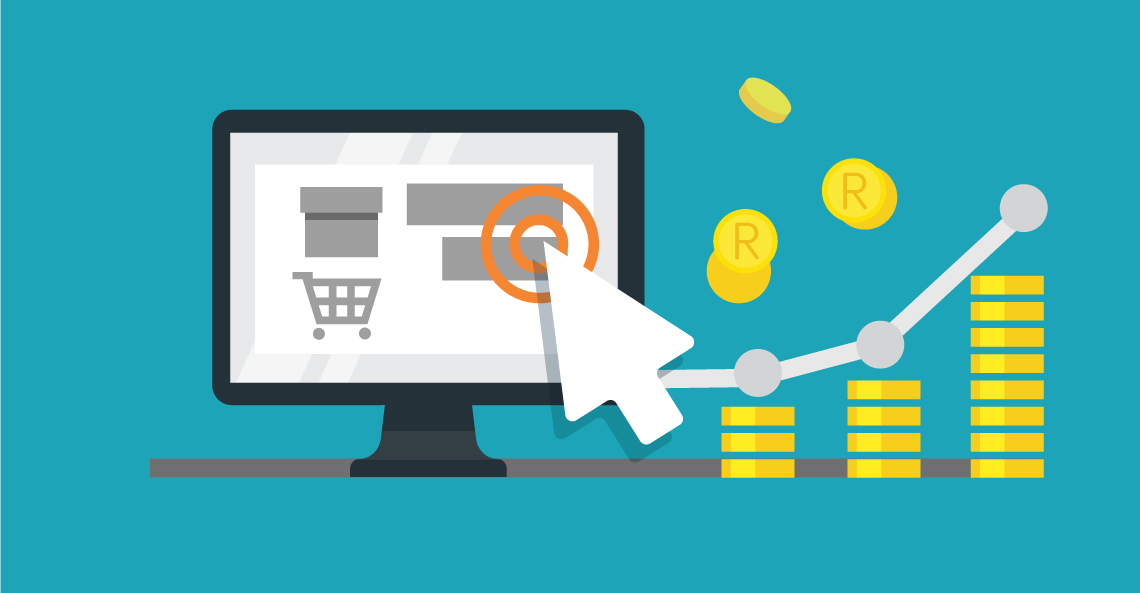
Performance marketing is a results-driven approach where advertisers pay only when specific actions occur — such as clicks, leads, or sales. Unlike traditional campaigns that rely on impressions, performance marketing ensures every dollar spent contributes to measurable growth. Businesses today increasingly rely on online performance marketing to target audiences more efficiently and drive higher ROI.
Why Ecommerce PPC Matters
Ecommerce PPC (Pay-Per-Click) advertising is one of the most effective ways to reach potential buyers actively searching for your products. When managed correctly, PPC can boost conversions and complement performance branding efforts. For online retailers, balancing SEO and PPC is vital to achieving long-term traffic stability and sales growth.
What Are the Types of Performance Marketing?
There are several types of performance marketing that businesses use to achieve specific goals:
- Affiliate Marketing: Partners promote products and earn a commission for each sale.
- Ecommerce PPC: Paid ads on Google, Facebook, or Instagram targeting high-intent audiences.
- SEO Pay for Performance: Agencies are compensated only when rankings or traffic goals are achieved.
- Influencer Campaigns: Paying influencers based on the measurable engagement or conversions they generate.

How Does SEO Pay for Performance Work?
A pay for performance SEO company focuses on outcomes rather than promises. This model means you pay only when measurable results are achieved — such as higher Google rankings, traffic growth, or conversions. The concept of SEO pay for performance aligns perfectly with businesses seeking accountability in their marketing investments.
Performance marketing SEO combines on-page optimization, link building, and data analytics to ensure the website performs at its best while keeping ROI measurable.
How to Measure Content Marketing KPIs?
Measuring content marketing KPIs is essential for improving engagement and conversion rates. Common metrics include:
- Organic traffic growth from blog posts
- Click-through rates on content campaigns
- Lead generation from downloadable assets
- Social shares and engagement metrics
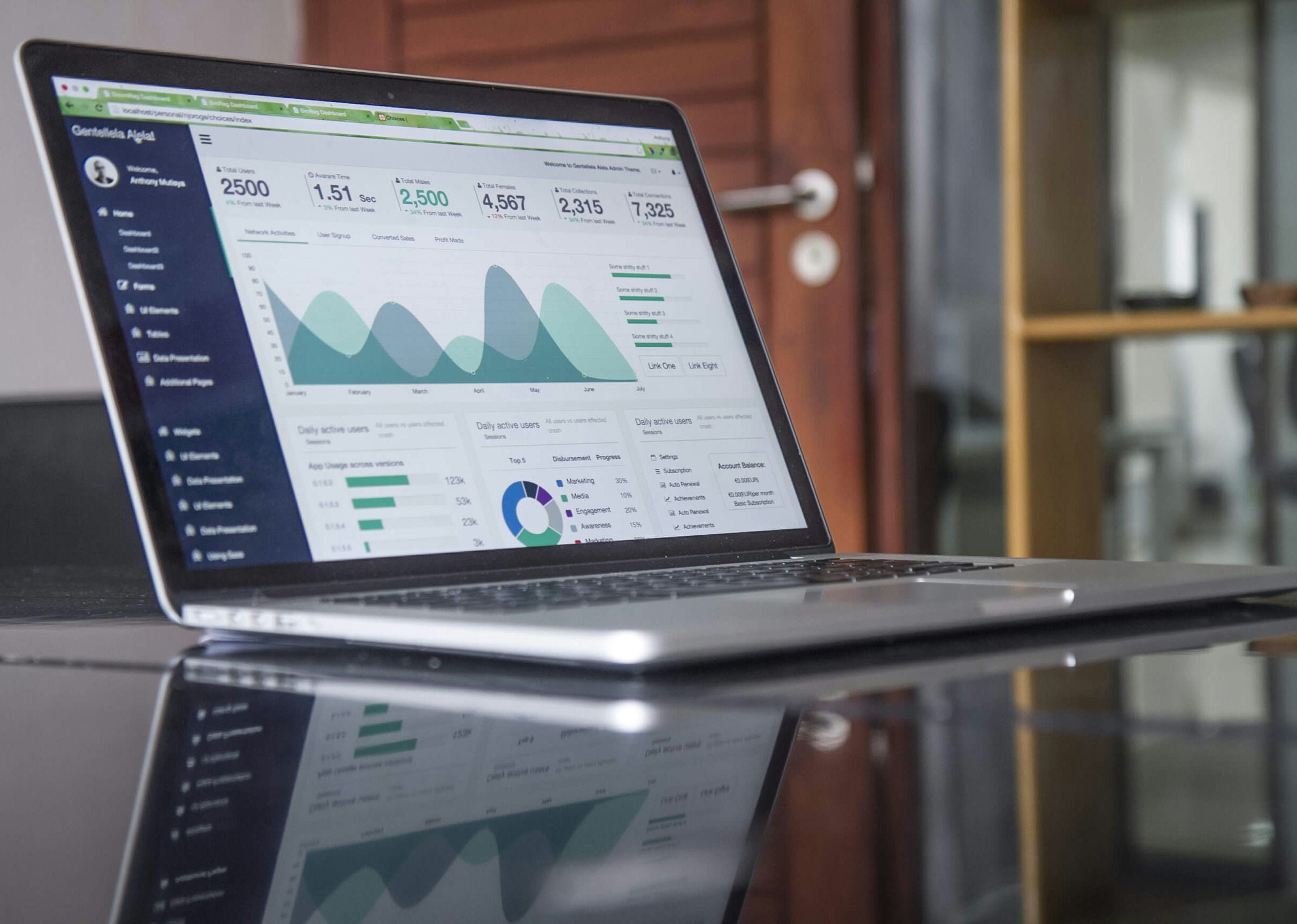
These KPIs help assess the overall marketing performance management strategy and determine which channels or campaigns are most profitable.
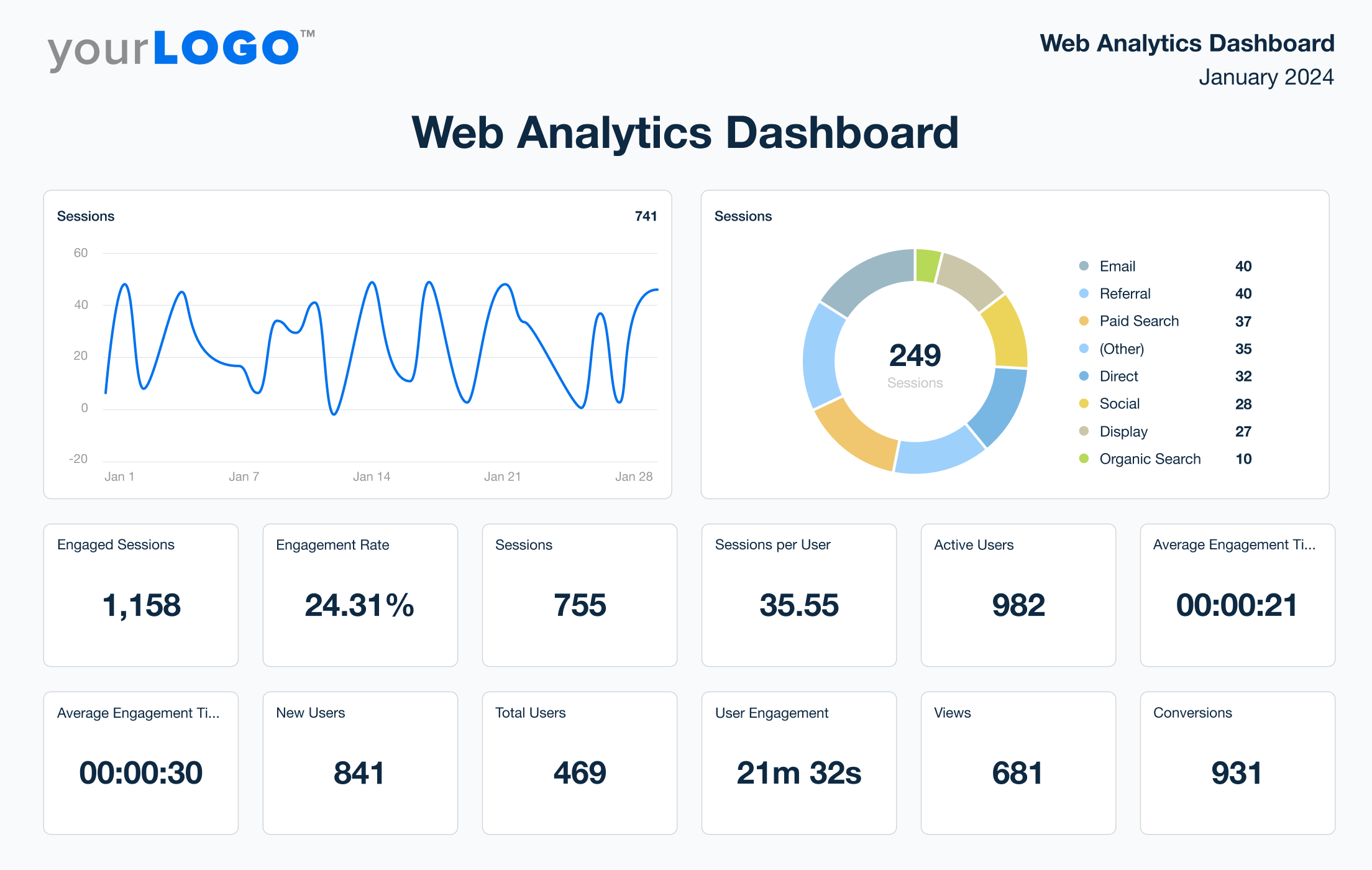
Best Tips for Marketing Performance Optimization
Marketing performance optimization focuses on improving campaign efficiency by leveraging analytics, automation, and data-driven insights. To optimize your campaigns:
- Use A/B testing to identify best-performing ad creatives.
- Monitor keyword quality scores in PPC campaigns.
- Refine landing pages for higher conversion rates.
- Integrate CRM data for more accurate customer segmentation.
Techniques for Measuring Campaign Performance
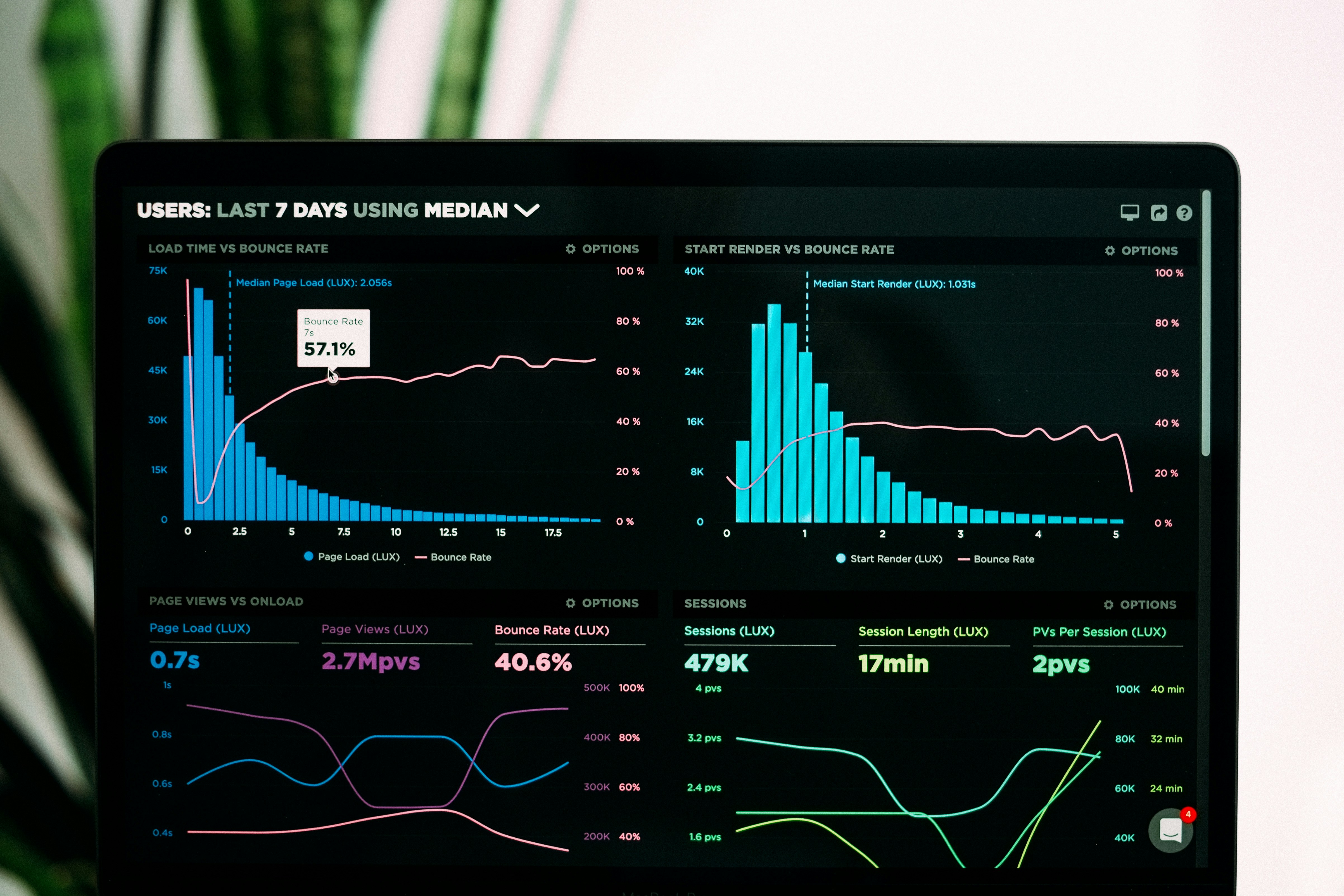
Measuring campaign performance involves using key analytics tools like Google Analytics, SEMrush, and Meta Ads Manager. Businesses track metrics like cost per acquisition (CPA), customer lifetime value (CLV), and conversion rate to understand the true impact of their campaigns.
By combining SEO data with PPC reports, marketers can better understand how each channel contributes to total ROI and adjust strategies accordingly.
Understanding ROI of Digital Marketing
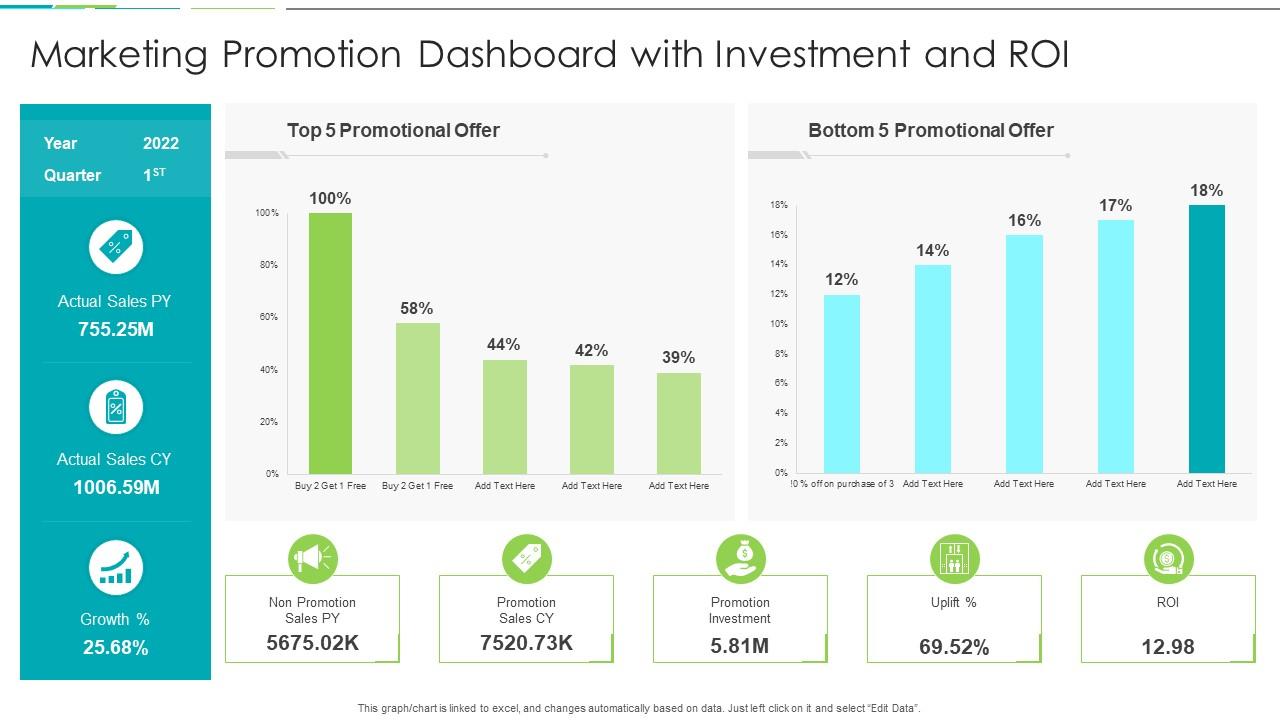
The ROI of digital marketing measures how much return a business gets compared to what it spends. Whether through paid ads, SEO, or performance branding, understanding ROI ensures you're investing wisely.
To calculate ROI:
- Subtract your marketing cost from the total revenue generated.
- Divide that by the cost, then multiply by 100.
- Example: ($10,000 revenue - $5,000 cost) / $5,000 = 100% ROI.
This shows the profitability of your performance marketing SEO or ecommerce PPC campaigns clearly.
FAQs
1. What is ecommerce PPC?
Ecommerce PPC stands for pay-per-click advertising designed to attract customers to online stores by targeting specific search queries or audience demographics.
2. What are the main types of performance marketing?
The key types include affiliate marketing, pay-for-performance SEO, influencer marketing, and PPC campaigns.
3. How do I measure the ROI of digital marketing?
You can measure ROI by tracking the revenue generated compared to the cost of marketing efforts using analytics and CRM tools.
4. Why is marketing performance optimization important?
It helps you increase efficiency, reduce costs, and ensure every dollar spent contributes to measurable business growth.
🚀 Ready to Boost Your ROI with Performance Marketing?
Discover how ecommerce PPC and SEO pay-for-performance strategies can turn every click into profit. Work with experts who focus on measurable growth and real results — not just promises.
💬 Get a Free Marketing Strategy CallStart your journey with a results-driven pay-for-performance SEO company today.