Guide to Ecommerce Growth in India (2026)
Actionable steps to start, optimise, and scale your online store using AI, WhatsApp automation, SEO, and low-cost strategies.
Table of Contents
- Why India is the best place to start an online store in 2025
- How to start an ecommerce store with zero investment
- Which ecommerce platform is best for small businesses?
- How to optimize product images for ecommerce SEO
- How to write product titles that convert
- Best AI tools & automation for ecommerce
- How to increase organic traffic for ecommerce websites
- How to use AI tools for ecommerce customer retention
- How to find trending products to sell online 2025
- How to add reviews section on Shopify product pages & build trust badges
- Which payment gateways are best for ecommerce in India?
- How do I automate product uploads in WooCommerce?
- Best product description generator for Amazon sellers
- What are the latest ecommerce marketing trends 2025?
- Quick checklist: 10 things to do in your first 30 days
- FAQs
Why India is the best place to start an online store
Mobile internet and growing digital payments have opened huge opportunities. If you're wondering how to find trending products to sell online 2025, it's the perfect time: new niches, rising Tier-2 demand and social commerce make discovery faster than before.
- Lower customer acquisition costs in niche categories.
- WhatsApp and short videos drive discovery — learn how to use whatsapp automation for ecommerce sales later in this post.
- AI and automation lower the barrier for content and product listings.
How to start an ecommerce store with zero investment (realistic plan)
Zero investment doesn't mean zero work — it means using free or ultra-low cost tools smartly:- Pick a model: dropshipping, print-on-demand, or list on marketplaces to test demand.
- Use free platforms: WordPress + WooCommerce, or a starter Shopify plan with free trial. This helps answer which ecommerce platform is best for small businesses based on your tech comfort.
- Create product listings: use clear images and titles — follow the section on how to write product titles that convert.
Which ecommerce platform is best for small businesses?
There's no one answer. Consider:| Platform | Why choose it | Considerations |
|---|---|---|
| WooCommerce (WordPress) | Low cost, full control, great for SEO | Requires hosting & occasional tech work |
| Shopify | Super fast to launch, many apps — helpful if you want to know how can I get more sales on my Shopify store | Monthly fee; app costs add up |
| Marketplaces (Amazon, Flipkart) | Large traffic & easy testing | Less brand control |

How to optimize product images for ecommerce SEO
Images affect conversions and search. Follow these quick wins:- Compress images but keep quality. Small files = faster pages = better rankings.
- Meaningful filenames: e.g.,
red-cotton-kurta-women-india.jpg. - Alt text: use real language — not keyword stuffing. Alt like: Women red cotton kurta breathable fabric India.
- Multiple angles and lifestyle shots to reduce returns and improve conversions.

How to write product titles that convert
Titles are often the first thing searchers read. A simple formula works: Keyword + Unique Benefit + Use.Example title:Women's Red Cotton Kurta – Breathable Summer Wear, India Fit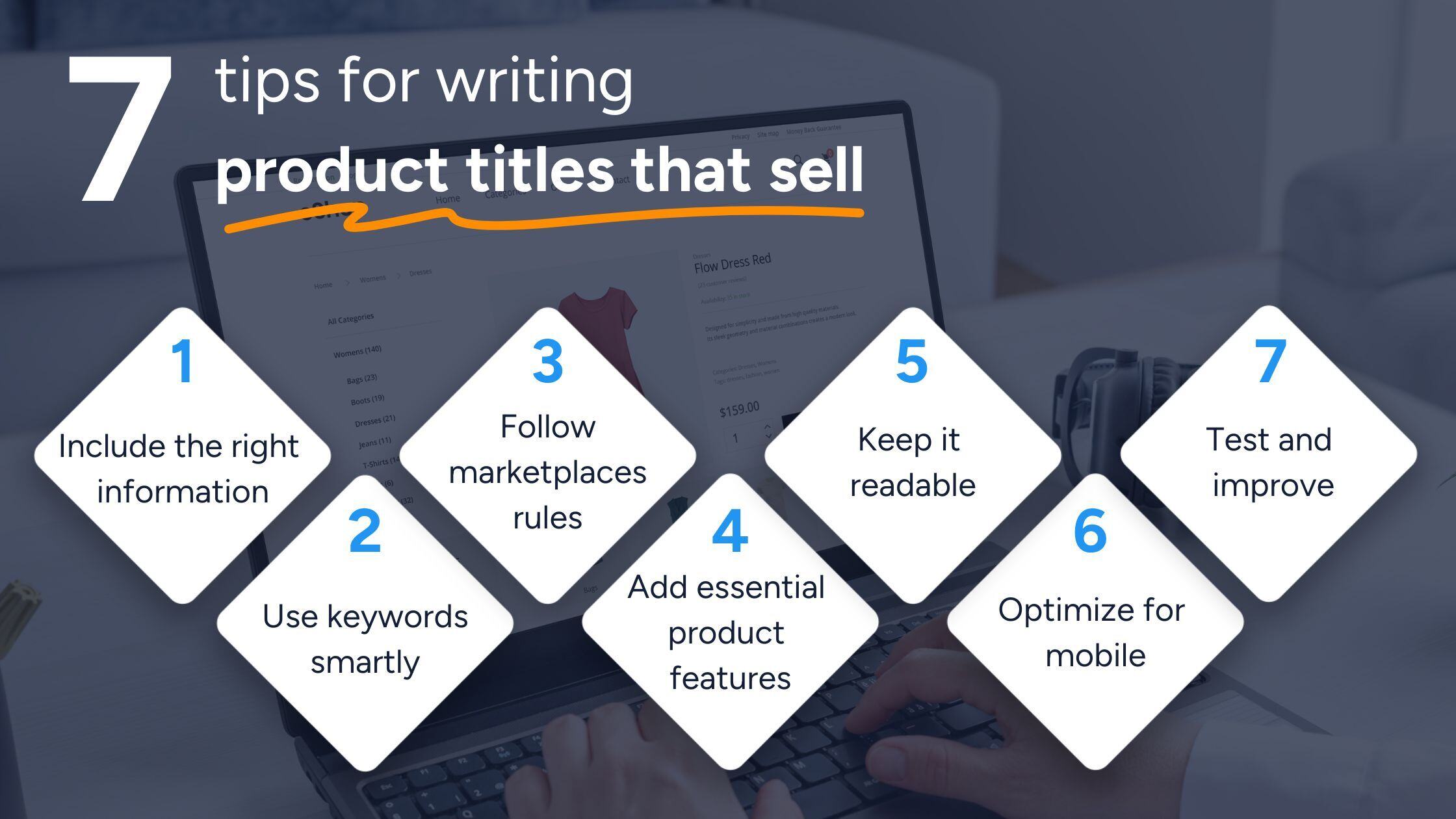
- Avoid long, stuffed titles — be clear and helpful.
- Include model/size/color when it matters.
- Test 2-3 variations and track CTR in search results.
Best AI tools & automation for ecommerce (practical picks)
AI can help you write, personalise, and automate. You asked "what is the best ai tool for ecommerce product descriptions" — there isn't a single winner, but choose tools that:- Take product features as input and output a polished draft.
- Allow you to control tone and brand voice.
- Integrate with your CMS or have an easy export workflow.

Best free ecommerce automation tools
Several free tools let you automate emails, schedule social posts, and build basic workflows. Use them for welcome emails, abandoned cart reminders, and review requests — they drive repeat revenue.How to use WhatsApp automation for ecommerce sales
WhatsApp is a top conversion channel in India. To use it:- Set up WhatsApp Business and upload a catalog.
- Use quick replies and labels to manage orders.
- Automate follow ups: shipping updates, cross-sell messages, and review requests.

How to increase organic traffic for ecommerce websites
Organic growth is sustainable. Combine on-page SEO, content, and tech optimisations:- Target long-tail queries like how to start an ecommerce store with zero investment and how to find trending products to sell online 2025 with blog posts and guides.
- Optimise product pages with clear titles, descriptive product descriptions, and structured data (rich snippets).
- Build topical content — e.g., "how to use ai tools for ecommerce customer retention" as a blog that sends targeted traffic.
How to use AI tools for ecommerce customer retention
Use AI to segment customers and send relevant messages: birthday offers, replenishment reminders, and personalised product suggestions. This answers part of what is the best ai keyword research tool for ecommerce — keyword tools with ecommerce filters help you discover product intent phrases to target for retention and acquisition.How to find trending products to sell online 2025
Trending products often appear first on marketplaces, social reels, or niche subreddits. Practical steps:- Check marketplace "hot sellers" and bestsellers.
- Scan social platforms for recurring content ideas.
- Use Google Trends and AI keyword tools to validate demand.

How to add reviews section on Shopify product pages & build trust badges
Reviews and trust signals reduce friction. On Shopify:- Install a review app or use Shopify's native review blocks.
- Display trust badges like secure checkout, fast shipping, and easy returns near the buy button.
- Ask for reviews via WhatsApp or email after delivery — incentives help (small discount or loyalty points).
Which payment gateways are best for ecommerce in India?
Choose gateways that support UPI, wallets, card payments and have competitive fees. Consider settlement speed and integration ease when deciding which payment gateways are best for ecommerce growthin India.How do I automate product uploads in WooCommerce?
Use CSV import plugins, marketplace connectors, or API integrations. You can also schedule updates for prices and stock using automation tools — great when you manage hundreds of SKUs.Best product description generator for Amazon sellers
If you sell on Amazon, use an AI generator to create a first draft, then optimise for Amazon's A9 algorithm: bullets with features, concise overview, and search-friendly keywords that include product attributes and use cases.What are the latest ecommerce growth marketing trends ?
Key trends you should implement now:- Short video & social commerce: Reels + in-app checkout shorten paths to purchase.
- Hyper-personalisation: Use AI to customise product suggestions and emails.
- WhatsApp-first selling: Messaging channels are replacing email in many segments.
- Voice and AR experiences: Early adopters in niche categories will win attention.
Quick checklist: 10 things to do in your first 30 days
- Choose model & platform (dropship/marketplace/WooCommerce/Shopify).
- Upload 10 high-quality product images — optimise filenames & alt text.
- Write clear product titles using the formula: Keyword + Benefit + Use.
- Install a reviews app and display trust badges.
- Set up WhatsApp Business & a basic automation flow.
- Create 3 blog posts targeting long-tail keywords from your list.
- Choose a payment gateway that supports UPI and wallets.
- Install analytics and track product CTR and add-to-cart rates.
- Use an AI tool to draft product descriptions; refine manually.
- Plan a simple short-form video to test social commerce traction.
FAQs
Q1: How much does it really cost to start an online store?
You can start with near zero money using dropshipping or print-on-demand and free themes — cost mainly goes to domain, small hosting fees (if using WooCommerce), and your time.Q2: What is the best AI tool for ecommerce product descriptions?
Choose an AI tool that accepts product features and returns contextual descriptions you can edit. Use it as a drafting assistant, not a final copywriter.Q3: How can I get more sales on my Shopify store?
Optimise product titles and images, add reviews, use abandoned cart automation, and run short-form video ads. Also, integrate WhatsApp and chatbots to answer questions quickly.Q4: Which payment gateways are best for ecommerce growthin India?
Look for gateways that support UPI, wallets and have transparent fees and quick settlements — this improves conversion and cash flow.Q5: How to find trending products to sell online 2025?
Monitor marketplaces, social reels, and use keyword tools with ecommerce filters to spot rising phrases. Test fast with small runs or dropshipping.
Your website is your digital storefront. We build fast, responsive, and user-friendly websites that reflect your brand, convert visitors into leads, and support SEO from the ground up